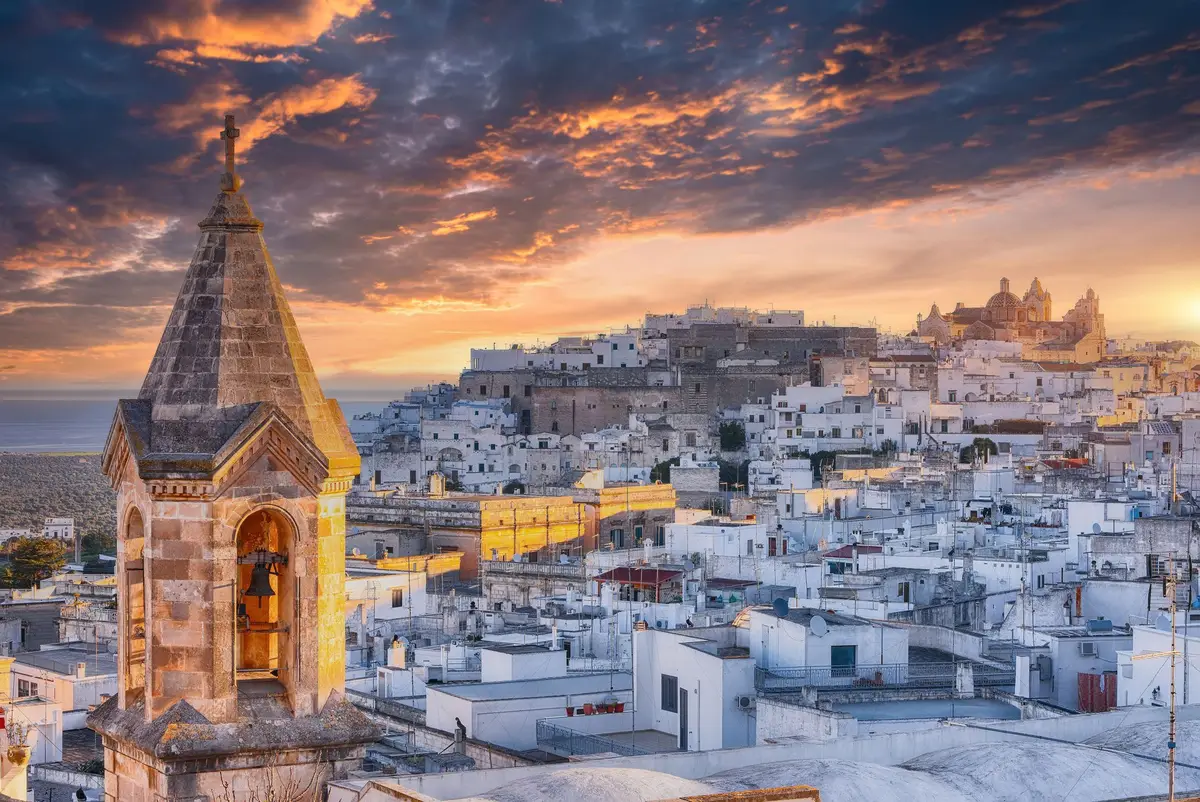





Apulian masserie are one of the most fascinating and evocative features of this Italian region. Originally built as fortified farms, they have become symbols of Apulian culture and tradition. In this article, we will explore the history of Puglia’s masserie, from their medieval origins to the present day, and discover how these ancient buildings have become a fundamental part of Puglia’s cultural heritage.
1. What are masserie?
Masserie are ancient rural dwellings typical of Puglia. These distinctive structures have been used since the Middle Ages as centres of agricultural production and livestock farming, and are often surrounded by large cultivated areas, such as olive groves and vineyards. In recent years, many masserie have been restored and transformed into charming tourist accommodation, restaurants and event venues, attracting visitors from all over the world thanks to their authenticity and historic atmosphere.
2. Why is it called a masseria?
The term “masseria” comes from the Latin “mansus”, meaning “dwelling” or “estate”. Originally, the word referred to a unit of agricultural measurement, but over time it came to describe the large landed estates that developed in Puglia from the Middle Ages onwards. These masserie often consisted of a group of buildings, including the manor house, stables, storehouses and farmworkers’ homes, and were the heart of the region’s rural activities.
3. How did masserie work in Puglia?
Masserie in Puglia were organised under a sharecropping system, in which farmworkers worked the land and shared the harvest with the landowners. This system guaranteed the owners a steady income and allowed the farmworkers to live and work on the masserie without paying rent. Each masseria was a kind of small, self-sufficient village, with its own olive press, oven and cellar, where olive oil, wine and dairy products were made.
Masserie were often fortified to protect them from the frequent attacks by pirates and brigands that marked rural life at the time. Many buildings still feature watchtowers, perimeter walls and fortified entrance gates today.
4. What are the differences between a masseria and a cascina or farm?
While the masseria is typical of Puglia, the cascina is an old rural dwelling typical of the regions of northern Italy, such as Lombardy and Piedmont. Although both structures served the same purpose as centres of agricultural production, their architecture and organisation were different. Cascine, for example, were built with different materials, such as brick and local stone, while Apulian masserie were built mainly of tuff and lime.
A farm, on the other hand, is a more generic term that can describe any rural property devoted to agriculture and livestock, regardless of region or country. However, masserie and cascine have a historical and cultural value that sets them apart from more ordinary farms.
5. Modern luxury masserie
In recent years, many masserie have been restored and transformed into luxury accommodation, offering visitors a unique and authentic experience in the heart of Puglia. These properties combine the historic charm of the masserie with modern amenities such as swimming pools, spas and gourmet restaurants. Luxury masserie offer a romantic and relaxing atmosphere, ideal for couples looking to escape from everyday life or for families who want to immerse themselves in Apulian nature and culture.
6. Getting married in a masseria
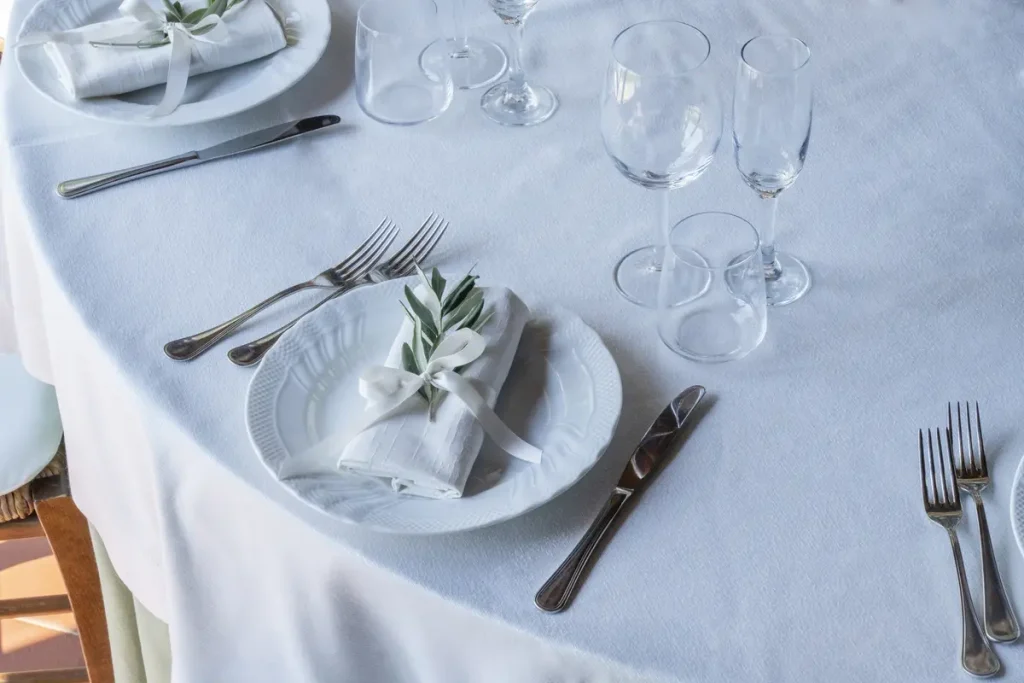
Masserie have become a very popular venue for weddings and special events, thanks to their enchanting atmosphere and the breathtaking landscapes that surround them. Choosing a masseria as your wedding venue means immersing yourself in a historic and authentic atmosphere, with the option of holding the ceremony outdoors, among centuries-old olive groves and dry-stone walls, or inside ancient frescoed halls.
Many masserie offer full wedding planning services, from choosing the catering to accommodating guests in the agriturismo’s rooms and suites. What’s more, getting married in a masseria lets you enjoy a unique and unforgettable experience that blends tradition and modernity, in a landscape of great charm.
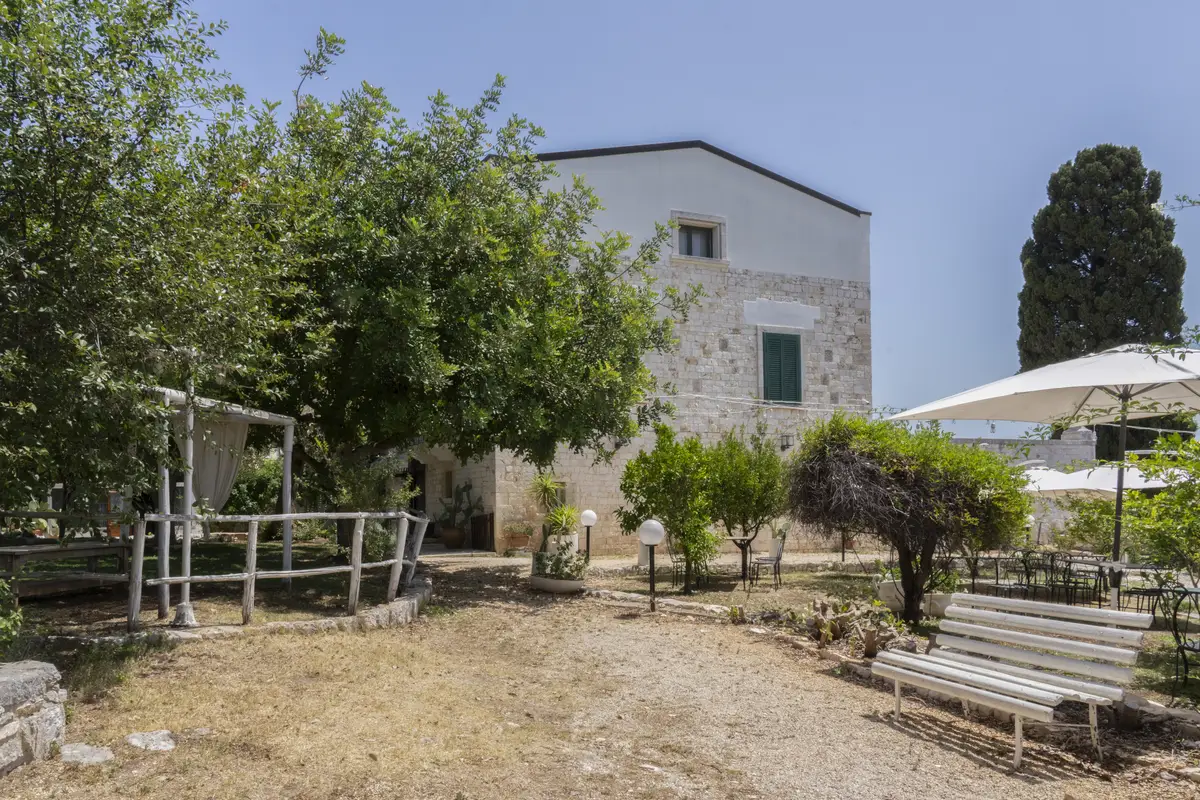
7. The timeless charm of Masseria Montepaolo
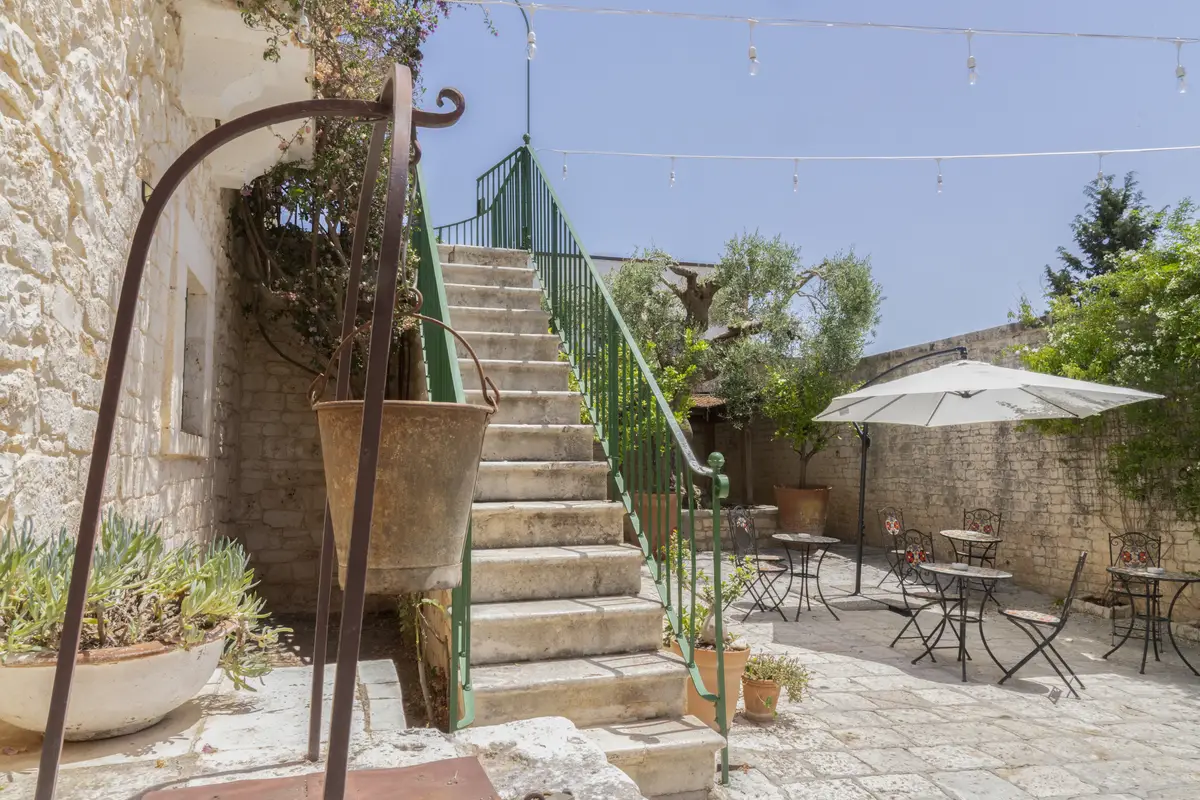
Masseria Montepaolo, a hidden gem set within ancient stone boundary walls, dates back to the 16th century and was once the residence and hunting lodge of the Counts of Acquaviva d’Aragona. In this enchanting place, lush greenery and a romantic landscape embrace the ancient residence, which stands on a hillock overlooking a karst sinkhole.
A grove of Mediterranean scrub surrounds the property, with wild olive trees, carob trees, downy oaks and wildflowers such as cyclamens and orchids. The unspoiled nature of this area is protected by the WWF and is part of the “Laghi di Conversano” nature park.
Today Masseria Montepaolo offers its guests a range of modern comforts: a private swimming pool, a fully equipped playground and an air-conditioned winter garden, perfect for weddings, meetings and events of all kinds. The masseria is also an official venue for civil wedding ceremonies and is a member of the prestigious Asso Castelli association of Historic Residences.
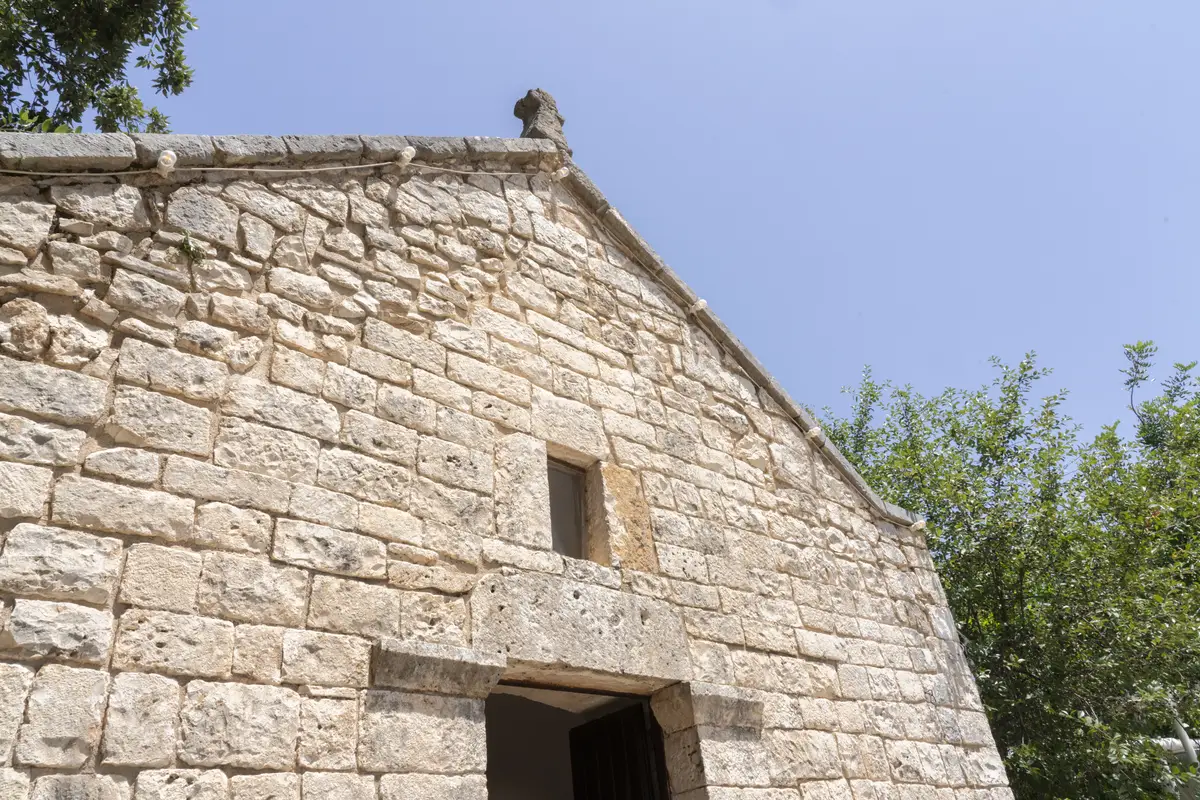
Every corner of this splendid residence holds a piece of history, such as the adjoining small rural church, probably a hermitage of Saint Anthony of Padua, where frescoes dated 1642 have been discovered. Just 200 metres from the masseria, the 14th-century “Torre del Brigante” (Brigand’s Tower), recognised as a site of historical and architectural interest by the Superintendency for Artistic and Cultural Heritage, offers visitors a breathtaking view over the nature park.
Walking through a small wood, guests can reach on foot from the main building an evocative dovecote with a hemispherical roof of Byzantine influence, originally used to train carrier pigeons.
Masseria Montepaolo is a hidden treasure waiting to give you unforgettable moments of history, nature and timeless charm.